Model 3 / Model Y
Passenger electric vehicles in Tesla’s product range.
Official product information ↗Allocation within my assigned capital
2026-10-09 · regular session
Competition opens 12 October at 21:00 HKT. The first subsequent regular sessions are US equities on 12 October at 21:30 HKT and Hong Kong equities on 13 October; orders depend on the competition system accepting execution.
Q3 deliveries and storage deployment provide measurable inputs; earnings must establish margins and cash flow.
Use the confirmed initial allocation as the target gross stock notional in the first eligible competition session. Use the live best ask as a day-limit reference after the first five minutes of regular trading; submit in valid lot sizes and review unfilled orders during that session. Quantity = allocation budget converted into the trading currency ÷ live limit, rounded down to the allowed lot. Fees and rounding reduce investment; do not borrow to meet an exact percentage.
Add only when (1) the regular-session close is at least 2% above actual average cost, (2) it exceeds the highest close of the preceding five completed sessions, and (3) the company-specific evidence below remains valid. Add at most 2 percentage points of my assigned capital per stock, once before the next review; total additions cannot exceed available cash, initially 5%. No averaging down. After October 21 US earnings, require no material deterioration in automotive margins, storage profitability or cash flow before adding.
Proposed stop: actual average cost × 0.925 (−7.5%). If the tradable regular-session price reaches or falls below this level, cancel pending buy orders and exit at the next executable opportunity. Do not wait for a rebound. After an addition, do not lower an existing stop. Gaps and slippage can produce losses beyond the threshold. Exit earlier if the investment reason is invalidated.
US 21 October after close; Q&A on 22 October 05:30 HKT.
Weights are target gross stock notionals within my assigned capital. The initial 5% cash is before entry fees; reserve sufficient fees before submitting orders. Entry costs reduce cash available for additions, while valid-lot rounding changes the invested amount and remaining cash.
BUSINESS & PRODUCTS
Electric vehicles and energy storage are the operating businesses examined here. Vehicle deliveries and storage deployments need separate margin and cash-flow analysis.
Passenger electric vehicles in Tesla’s product range.
Official product information ↗Utility-scale battery storage for grid energy management.
Official product information ↗Home battery storage for backup power and stored solar energy.
Official product information ↗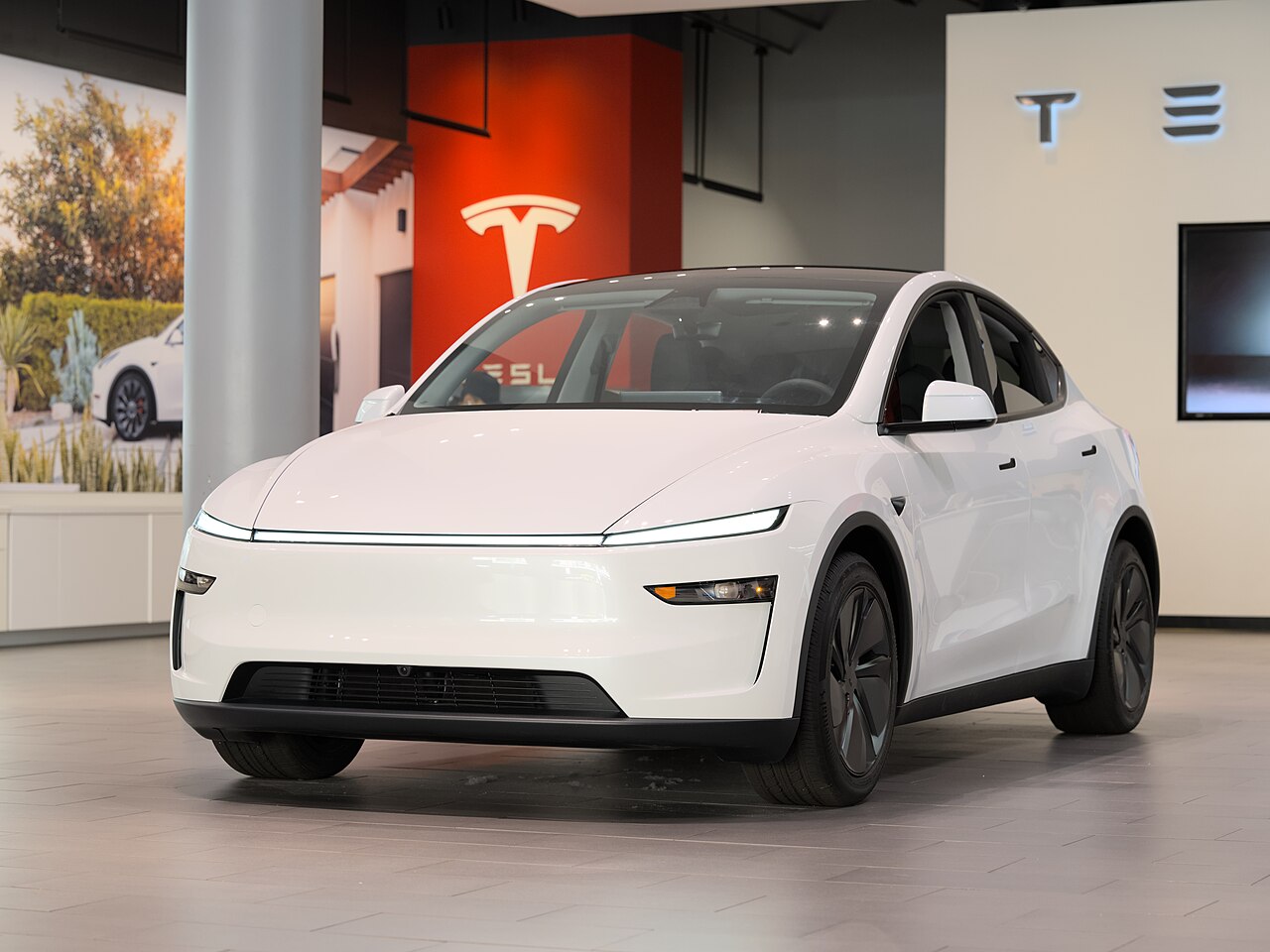
Business link: automotive profitability depends on realised prices and production costs; storage must be assessed through deployments, margins and project execution.
The short-horizon thesis focuses on automotive earnings and energy storage. Autonomous-driving and robotics developments may affect sentiment, but this note does not convert unverified commercial milestones into revenue forecasts.
Q3 production was 464,391 vehicles, below deliveries of 486,532. This difference does not by itself establish inventory quality, margins or free cash flow. Tesla states that quarterly profits and cash flow will be disclosed with earnings.[1]
Q2 2026 energy generation and storage revenue was US$3.139bn; segment gross margin was 20.4%, versus 30.3% a year earlier. This segment includes generation and storage. Q3 storage deployments of 13.7 GWh are a later-period volume measure and do not establish improved profitability.
Tesla guided to more than US$25bn of capital expenditure in 2026. Assess operating cash generation after this investment demand, rather than inferring free cash flow from delivery or deployment growth. Q2 2026 Form 10-Q
This page uses event analysis; no DCF, fair-value range or take-profit target has been calculated. The entry uses a current executable quote, not a long-term discount threshold. Before increasing size, set the position’s loss budget and review whether the expected event outcome is already priced in.
21 October after the US close: Q3 results. Q&A at 17:30 EDT, or 22 October 05:30 HKT. Review the released accounts before adding; the next US session can open with a gap. The positive case is delivery volume translating into stronger margins and cash flow. The neutral case is volume growth offset by pricing or investment. The negative case is weaker margins and cash flow despite deliveries. No numerical price scenarios have been modelled.
Tesla’s 29 September compilation of analyst forecasts averaged 461,974 deliveries and 15.9 GWh of storage deployments. Actual Q3 deliveries of 486,532 were 5.3% above that mean; storage deployment of 13.7 GWh was 13.8% below it (our actual-versus-mean calculations). This is company-compiled external consensus, not company guidance. On 21 October, test whether additional deliveries translate into profit and cash rather than describing both operating measures as positive surprises. 29 September consensus · Q3 actuals
Watch discounting, automotive margins and cash investment. Reduce or exit if delivered growth is accompanied by a material deterioration in the earnings or cash-flow case. Regulatory and product announcements can cause sharp moves independent of quarterly deliveries. Shared execution rules
Quote API: TSLA.US, 9 October 2026 20:00 UTC / 10 October 04:00 HKT. Dated regular-session observation; no automatic refresh.